The Necessary Guide to Understanding Various Sorts Of Anchoring Systems
Understanding anchoring systems is essential for different applications, from aquatic to building and construction settings - Portable Building Anchors. Different supports offer special purposes based upon their setting and tons requirements. This overview discovers the numerous kinds of supports, consisting of structure, ground, and watercraft anchors. It additionally attends to the products utilized and key considerations for selection. Each selection influences stability and integrity. Exactly what should one prioritize when picking the right anchor? The response lies ahead
Sorts Of Watercraft Anchors
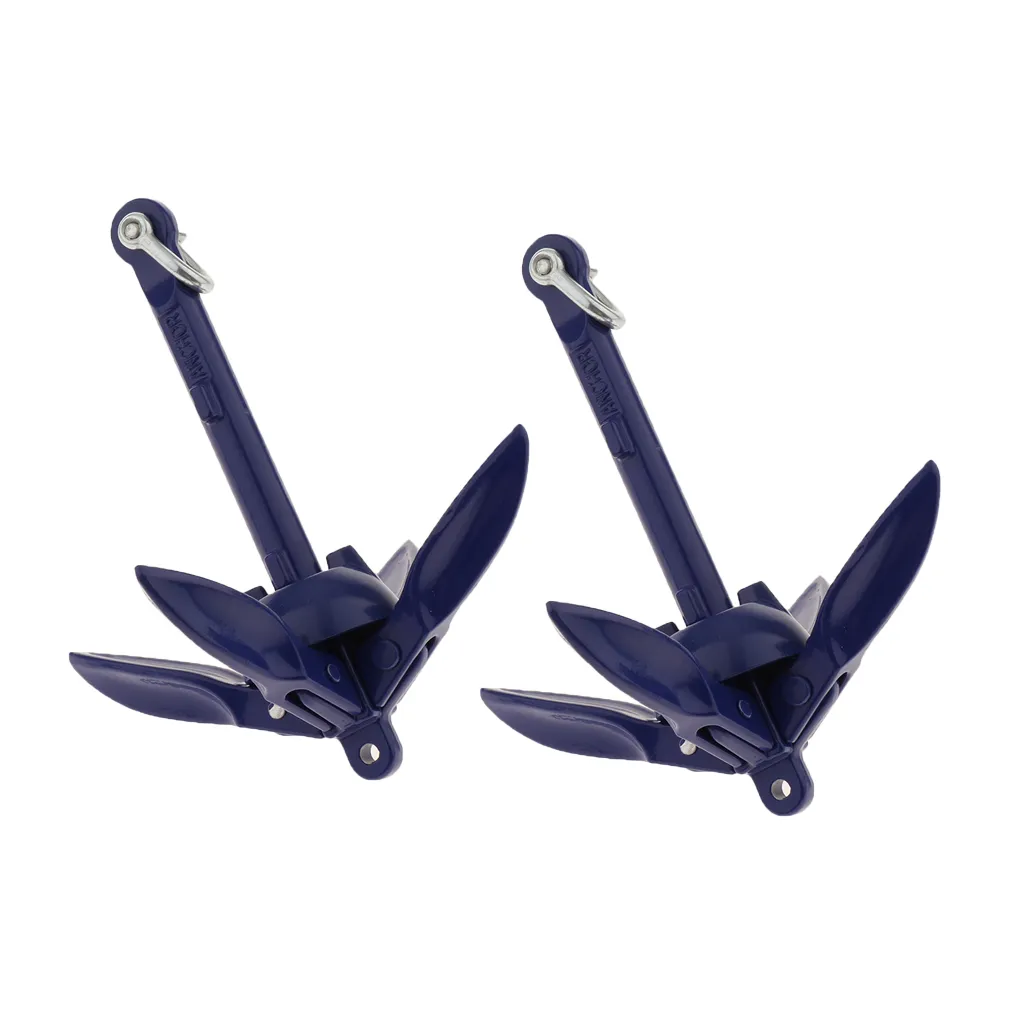
When selecting a boat support, recognizing the different types readily available is essential for making certain security and safety and security on the water. The most usual kinds consist of the fluke anchor, understood for its lightweight style and reliable keep in sand and mud; the rake support, which excels in a variety of seabed conditions due to its self-setting ability; and the mushroom support, favored for its holding power in soft bottoms. An additional choice is the grapnel anchor, usually used for small boats and kayaks, suitable for rocky shallows. Each anchor kind has certain applications, adding to its performance based upon the vessel dimension and environmental problems. Picking the right anchor not just boosts protection but likewise enhances the total boating experience. Understanding these differences enables seafarers to make educated choices, guaranteeing they keep control and safety while going across varied water bodies.
Building and Structural Supports
Structure and structural supports play a crucial duty in guaranteeing the stability and safety of numerous buildings - Site Security Anchors. These supports are critical components that secure frameworks to their structures or assistance systems, protecting against activity because of ecological elements such as wind, seismic activity, or dirt settlement. Typical types consist of mechanical anchors, adhesive anchors, and development supports, each offering details objectives based on lots needs and product compatibility
Mechanical supports, as an example, are generally used in concrete and masonry, offering high tensile strength. Glue anchors make use of chemical bonding to attain durable links, while expansion supports are created to grasp the bordering product as they are tightened.
The option of an appropriate anchor kind depends upon aspects such as load capacity, ecological conditions, and the materials involved. Correct installation and maintenance of these anchors are crucial for the durability and security of the framework, highlighting their value in building and construction and design methods.
Ground Anchors for Outdoor Structures
Ground anchors play a necessary duty in safeguarding outside frameworks against environmental forces. Numerous kinds of ground anchors, along with their installment methods, determine their performance and reliability. In addition, factors to consider concerning load capacity are vital for making certain the structural stability of these setups.
Kinds Of Ground Anchors
Supports function as the foundation for protecting outdoor structures, guaranteeing stability and security in differing ecological conditions. There are several sorts of ground supports, each made for particular applications and dirt problems. Helical anchors feature a screw-like style, permitting easy installment in various surfaces. Driven anchors are pounded into the ground, providing strong resistance versus side lots. Grouted anchors make use of a bonding product to improve stability, making them appropriate for hefty frameworks. Deadman supports include a buried mass that distributes tons, perfect for preserving fencings and wall surfaces. Each kind offers a distinct purpose, allowing designers and building contractors to select one of the most efficient anchoring system based on job requirements and site conditions.
Setup Strategies Overview
Efficient installation techniques are crucial for guaranteeing the efficiency and long life of ground anchors in outdoor structures. Proper site assessment comes before setup, where soil problems and wetness degrees are evaluated to figure out suitability. The selection of the appropriate anchor kind have to align with environmental elements and structural demands. During setup, accuracy is crucial; anchors must be placed at the appropriate deepness and angle to optimize their load-bearing capabilities. Utilizing the right tools, such as augers or hydraulic tools, facilitates accurate positioning and lessens disturbance to surrounding dirt. Adhering to manufacturer standards for installment treatments is critical to attaining peak support efficiency. Ultimately, post-installation examinations ensure that anchors are safely in area and operating as planned, thus boosting the security of the framework.
Tons Capability Factors To Consider
When evaluating load check my site capacity for ground supports in outside frameworks, several critical variables need to be thought about to verify security and performance. The dirt type plays a substantial function; cohesive dirts give various holding capabilities contrasted to granular dirts. Additionally, the support's style and material influence its toughness and sturdiness. Environmental problems, such as moisture and temperature level changes, can likewise affect the anchor's efficiency gradually. The designated lots, including vibrant and static forces, should be evaluated to confirm the anchor can endure anxieties efficiently. Local policies and security requirements should be stuck to during the choice and installment procedure. Effectively reviewing these factors confirms that ground supports work dependably and support outside structures safely.
Specialty Anchoring Solutions
Specialized anchoring systems are developed to meet special requirements in numerous applications, supplying remedies where traditional supports may fall short. These systems deal with certain obstacles, such as those come across in underwater building and construction, high-altitude installations, or locations with unsteady dirt problems. For example, helical anchors are frequently utilized in marine environments due to their ability to offer strong holding power in soft debris. Rock anchors are made use of in hilly areas for protecting frameworks versus rockfall or landslides. Specialty systems might additionally include chemical anchors, which bond with substrates to improve load-bearing capacity. Additionally, they commonly include advanced design techniques to resolve ecological factors, guaranteeing safety and security and stability in diverse conditions. By employing tailored designs, specialized anchoring systems offer services that enhance the resilience and efficiency of structures popular scenarios, making them indispensable in modern-day construction and design projects.
Products Utilized in Anchoring Equipments
The performance of anchoring systems is noticeably affected by the products used in their building and construction. Common materials include steel, Learn More light weight aluminum, and various synthetic composites, each offering distinctive advantages. Steel, typically utilized for its stamina and durability, offers robust assistance in tough environments yet is prone to corrosion otherwise correctly dealt with. Light weight aluminum, lighter than steel, provides resistance to deterioration and is excellent for marine applications, although it may not support heavy lots as efficiently. Synthetic materials, such as nylon and polypropylene, are progressively prominent as a result of their light-weight buildings and resistance to ecological factors. These products can also soak up shock lots, boosting total performance. The choice of material plays a crucial role in the efficiency and longevity of anchoring systems, impacting their viability for particular applications. Understanding these materials enables far better decision-making in the layout and option of anchoring remedies.
Aspects to Think About When Selecting a Support
Selecting a support requires mindful consideration of a number of essential elements that can greatly affect its efficiency and suitability for details applications. The very first variable is the type of soil or substrate, as different supports do better in varying problems such as clay, rock, or sand. Additionally, the expected lots, including dynamic and fixed forces, need to be assessed to determine the anchor's toughness needs.
The anchor's size and weight are likewise substantial, as they should match the vessel or framework being safeguarded to assure security. Environmental conditions, such as tidal activities and weather patterns, can additionally affect anchor choice.
In addition, the desired usage-- whether for More about the author irreversible or temporary applications-- will certainly impact the selection of anchor kind. Finally, compatibility with various other securing systems can boost total safety and security and efficiency. Subsequently, a thorough examination of these aspects ensures the appropriate anchor is picked for peak efficiency.
Installment and Upkeep Tips
Normal assessments are essential to recognize wear, deterioration, or any indicators of failure. Users must examine for loose components and tighten or replace them as needed. Cleaning the support points occasionally can stop the accumulation of debris that may endanger their integrity.
Additionally, individuals should consider ecological factors such as wetness and temperature, which might influence the supports' efficiency. Keeping documents of maintenance tasks can assist track the system's condition in time. Following these techniques will boost the integrity and sturdiness of securing systems, eventually adding to the safety of the overall structure.
Frequently Asked Questions
What Are the Ecological Impacts of Different Anchoring Solutions?
The ecological effects of numerous anchoring systems include damages to marine ecosystems, debris disturbance, and prospective harm to regional wildlife. Lasting practices can reduce these effects, advertising much healthier underwater habitats and preserving biodiversity in seaside areas.
Exactly How Do Laws Affect Anchoring System Choices?
Laws considerably influence anchoring system choices by imposing security requirements, environmental managements, and operational guidelines (Site Security Anchors). Individuals must conform with these needs, leading to the choice of systems that stabilize functionality, validity, and environmental factors to consider.
Can I Use Several Supports With Each Other?
Using numerous supports together is viable and often improves security. One need to consider the particular problems and qualities of each anchor type, ensuring they work sympathetically to achieve the wanted holding power and safety and security.
What Are Common Blunders When Utilizing Anchoring Solutions?
Usual blunders when utilizing anchoring systems consist of improper weight distribution, insufficient knowledge of ecological conditions, ignoring routine tools upkeep, failing to represent tidal changes, and using incompatible products, which can jeopardize safety and security and efficiency.
Just How Do Weather Influence Anchor Efficiency?
Climate condition substantially influence support performance, as solid winds and turbulent waters can increase strain on the support. Furthermore, hefty rainfall may alter seabed problems, influencing the anchor's grasp and general stability during damaging climate events.
Comments on “How Portable Building Anchors Help With Fast and Reliable Site Setup”